

Cultivating sustainable green spaces
Integrating biophilic design into modern living environments
Mastering Horticultural Fundamentals for Healthy Plant Growth

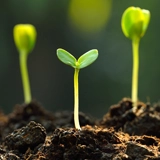
Growth starts with healthy soil. Understanding soil science and root development helps gardeners transform barren patches into thriving ecosystems through soil testing and organic amendments, ensuring long-term vitality for every plant

1
Soil analysis procedures
2
Seed germination methods

3
Nutrient delivery cycles

4
Integrated pest management
Selecting the right plants for resilience and garden aesthetics
Water-wise native plants offer superior resistance to local pests and weather. Incorporating these low-maintenance species reduces artificial irrigation and supports regional pollinators like bees and butterflies, creating a self-sustaining biodiverse habitat that thrives with minimal input.
Perennials provide structure and continuity to landscape layouts. Strategic placement of evergreens ensures four-season interest, while deciduous varieties mark the passing seasons with changing leaf colors. This layering approach creates a dynamic garden display that evolves continuously.
Crafting living art through floral design
Principles of asymmetrical balance
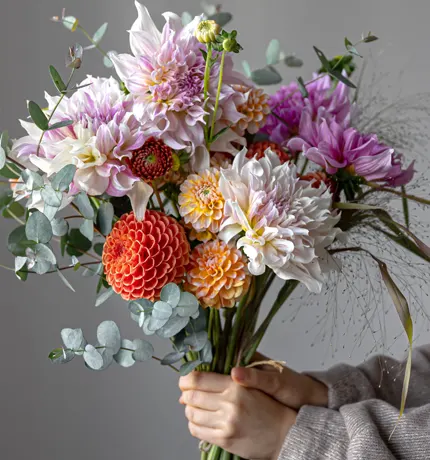
Visual tension creates dynamic energy within a composition. Placing heavy blooms low and extending lighter branches upward mimics naturalistic planting found in wild forests, guiding the viewer’s eye through the floral arrangement.
Texture is crucial in contemporary floral art. Combining rough bark, velvety petals, and glossy foliage adds depth and tactile appeal, transforming a simple flower bouquet into a multi-sensory experience engaging more than just sight.

Fostering biodiversity in urban spaces
Urban gardens act as vital wildlife corridors. By layering vegetation heights and leaving wild corners, these spaces become sanctuaries for birds and insects. This ecological gardening approach improves air quality and reduces the heat island effect. Vertical gardens and rooftop planting maximizes limited space, cooling the built environment while providing essential habitats.
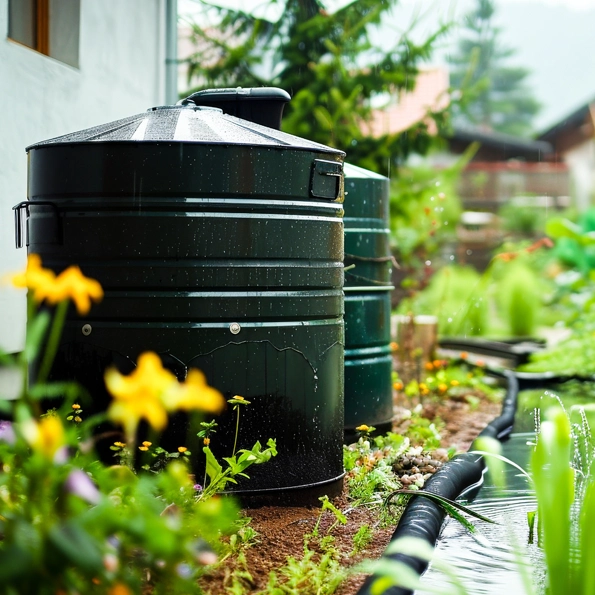
Rainwater harvesting systems
Collecting runoff reduces municipal water dependency significantly, providing chlorine-free hydration that plants prefer for optimal growth.
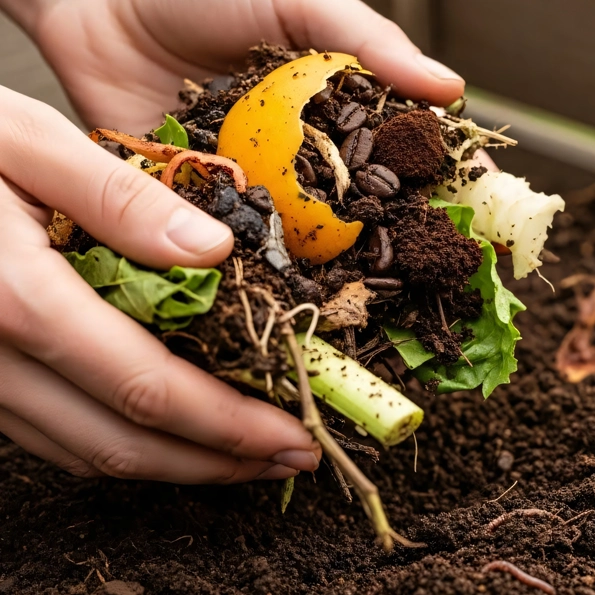
Composting organic waste
Kitchen scraps transform into nutrient-rich soil amendments, closing the loop on waste and feeding the garden naturally.
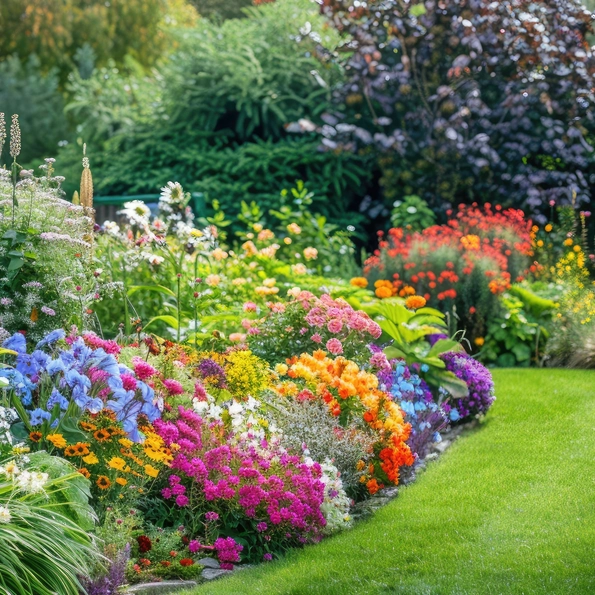
Pollinator friendly plantings
Nectar-rich blooms support declining bee populations, ensuring the reproduction of flowering plants and food crops nearby.
Essential Gardening Tools & Quality Equipment
High-quality gardening tools minimize plant damage. Professional-grade steel blades ensure clean cuts that heal quickly, preventing fungal pathogens and maintaining plant integrity. Explore our curated selection of durable equipment.
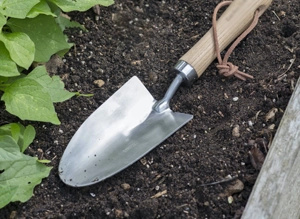
Ergonomic Trowels for less wrist strain
Reduces wrist strain during deep digging.
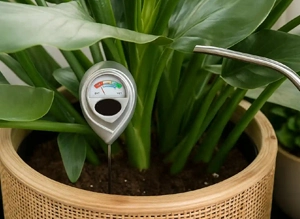
Smart Moisture Meters to prevent overwatering
Prevents overwatering of sensitive potted plants.

Heavy-Duty Pruners for thick branches
Cuts thick branches with minimal effort.
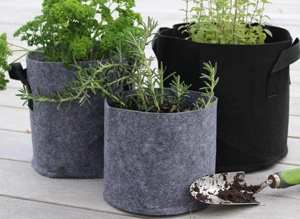
Fabric Grow Bags for healthier roots
Air pruning promotes dense root systems.
The Wellness Benefits of Green Environments
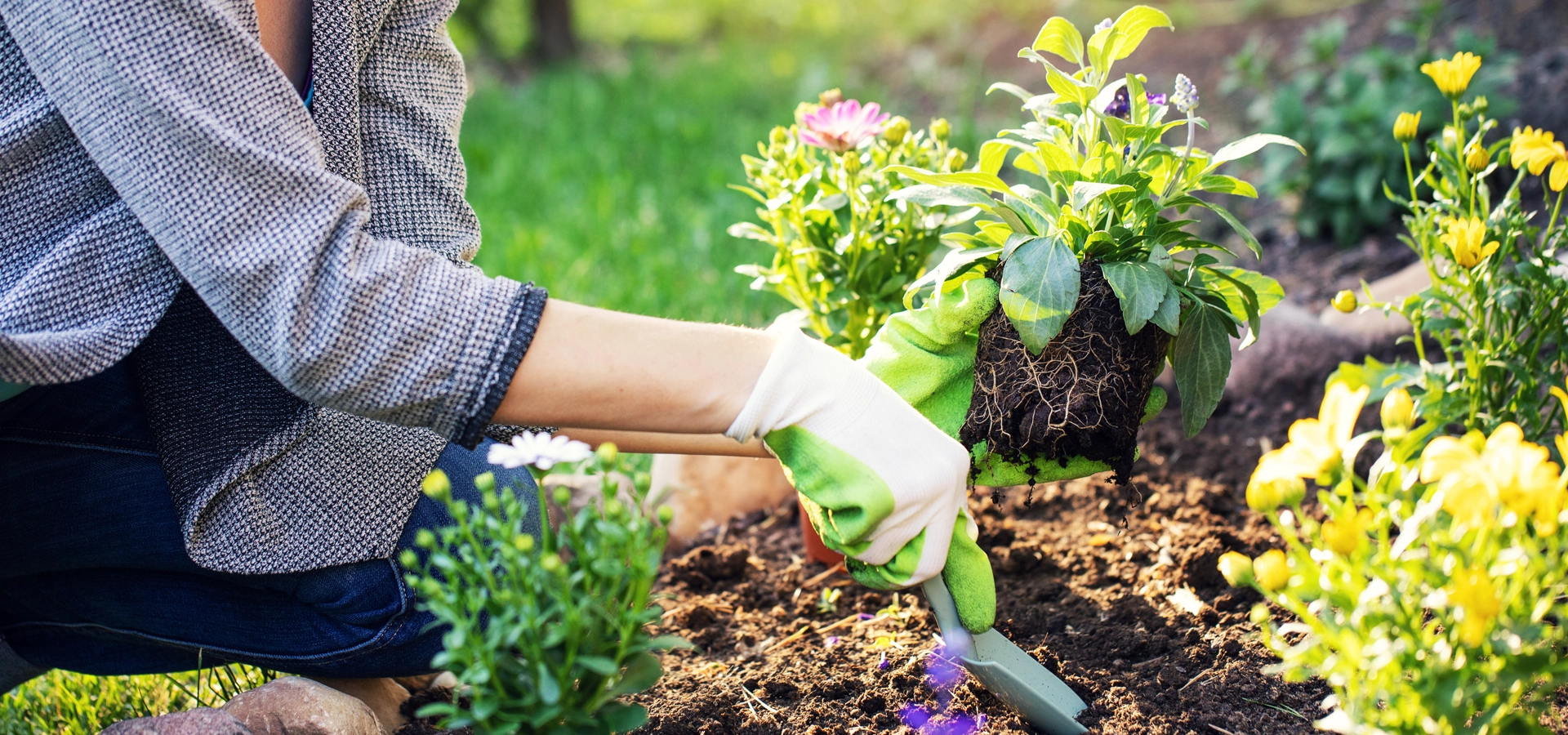
Immersion in nature lowers blood pressure and anxiety. The practice of horticultural therapy uses gardening tasks to improve cognitive function and mobility. Passive observation of greenery restores mental fatigue, boosting concentration and emotional wellness. Connecting with the earth grounds the human spirit. Daily interactions with plants foster responsibility and mindfulness, encouraging a deliberate pace of life for better digital wellbeing.